
When choosing between a mechanical tank gauge and an electronic tank gauge, it helps to…
Common Causes of Tank Leaks and How to Prevent Them
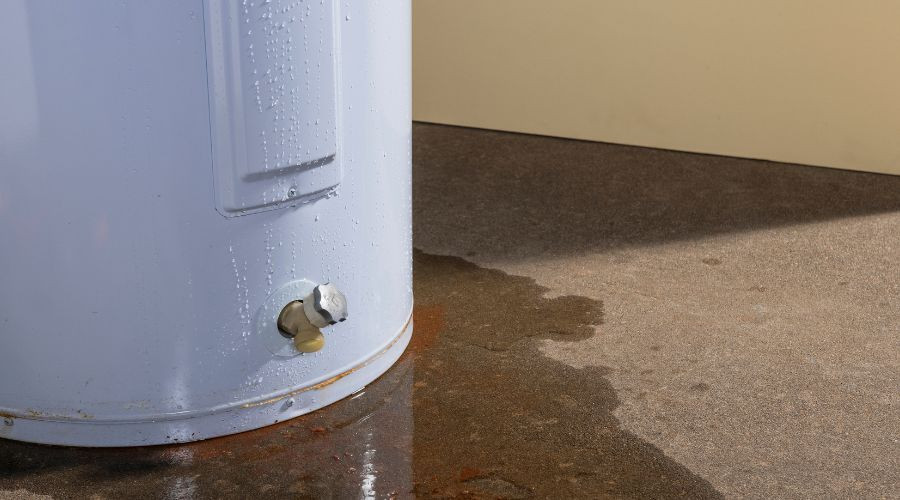
Tank leaks pose significant operational, environmental, and financial risks. Whether storing heating oil, diesel, AdBlue, chemicals, or water, the mechanisms that lead to leaks are well‑understood and largely preventable. By addressing the underlying causes, operators can significantly reduce the likelihood of failure and extend the service life of their storage systems.
One of the most prevalent causes is corrosion and material degradation. Internal corrosion often results from water contamination, microbial activity, or chemical attack, while external corrosion can be driven by environmental exposure or poor drainage around the tank. Regular inspections, proper ventilation, and the use of corrosion‑resistant materials significantly reduce the risk. Bund alarms provide early detection of leaks, allowing corrective action before significant damage occurs.
Another major contributor is overfilling. Excessive filling pressure can deform the tank structure or cause spills at the fill point. Overfill prevention devices and high‑level alarms are essential safeguards, particularly in fuel storage applications. Clear labelling and accessible fill points further reduce the risk of delivery errors.
Inadequate venting is another frequent cause of tank failure. Tanks must be able to equalise pressure during filling, emptying, and temperature changes. A blocked or undersized vent can cause pressure build‑up, leading to bulging, deformation, or rupture. Symptoms such as slow filling, unusual tank behaviour, or strong odours often indicate venting issues. Ensuring the correct vent size and type — and verifying that the vent remains unobstructed — is critical. Where odour control is required, carbon vent filters can be used without compromising airflow.
Ground movement and poor installation practices also contribute to leaks. Tanks installed on uneven or unstable bases may shift over time, placing stress on joints, fittings, and the tank body. A stable, level foundation and periodic inspection of supports are essential for long‑term reliability.
Finally, many leaks originate at fittings, caps, and threaded connections rather than the tank body itself. Worn seals, incompatible thread types, or damaged caps can all lead to leakage. Using high‑quality fittings, replacing seals at appropriate intervals, and ensuring compatibility between components helps prevent these issues.
Most tank leaks can be prevented with proper installation, regular maintenance, and the correct safety equipment. When these elements are in place, storage systems remain reliable and compliant throughout their service life.
Related Posts


